
Finding balance: how I rebuilt my fitness routine in my early 50s
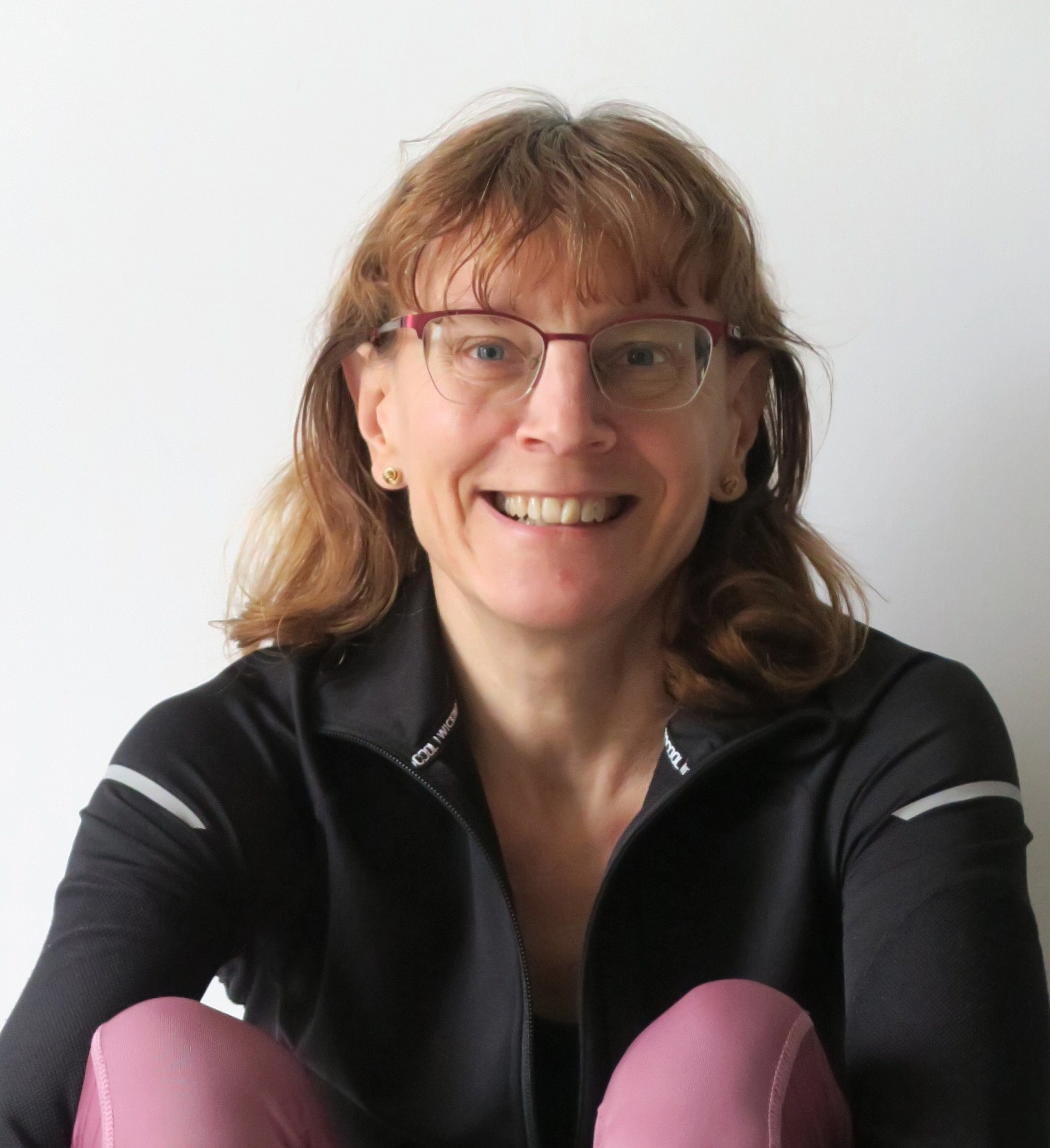
For as long as I can remember, being active has been part of who I am. Over the years I’ve dipped into just about everything—exercise classes, gym workouts, Pilates, yoga, running, cycling. I loved the variety, the challenge, and the feeling of keeping my body moving in different ways.

A couple of years ago, I shared a snapshot of my weekly workouts on social media. Someone commented that it sounded like a lot and asked what days I rested. At the time, I brushed it off. I felt fine, I was used to being busy, and exercise was simply woven into my routine.
But that comment stayed with me. Slowly, I began to notice that I was tiring more quickly. Little aches and niggles started to appear. And as I moved through my late 40s into my 50s, my body was already navigating hormonal changes that I hadn’t fully acknowledged.
It became harder to ignore the signs. As much as I didn’t want to admit it, I probably was doing too much.
Accepting that was uncomfortable. I’d always prided myself on being active and capable, and scaling back felt like losing part of my identity. But I also knew that pushing through wasn’t sustainable. So I started to rethink my routine—not by giving up what I loved, but by being more intentional about how I moved.
I prioritised the activities that genuinely brought me joy and spread them out more thoughtfully. I kept the variety, but not the intensity. I shifted my focus toward staying toned, strong, flexible, and balanced. That meant increasing strength work, Pilates, and mobility sessions, and easing back on the high volume cardio that had once been my default.
This change wasn’t about doing less—it was about doing what my body needed at this stage of life. And the surprising thing? I feel better for it. Stronger in a different way. More connected to how my body responds. More aware of what supports my long term health rather than just my short term goals.
It’s a reminder that fitness isn’t static. Our bodies evolve, and our routines should evolve with them. Listening to those signals—fatigue, aches, shifts in energy—doesn’t mean giving up. It means adapting so we can keep moving well for years to come.


Comments